Roof Rats in Kendall: Signs in the Attic and What to Do
Scratching at night, droppings in the attic, hollowed-out citrus: what roof rat activity looks like in Kendall homes and how to handle it.
Roof rats, also called fruit rats or palm rats, are climbers, and in South Florida they often end up in attics. If you're hearing scratching over the ceiling at night in Kendall, this is a good time of year to deal with it.
Why fall is a busy season in Kendall
Kendall's mature trees, palms, canals, and backyard fruit trees give roof rats food, water, and cover all year. According to the University of Florida (UF/IFAS), roof rats breed year-round in Florida, with peaks in spring and fall. UF/IFAS also notes that the damage they do to backyard fruit is most noticeable during citrus season, from September through March.
Roof rats travel along tree branches, fences, and utility lines. They nest in attics, soffits, hollow walls, sheds, and the skirts of old palm fronds. Branches or palms touching the roof give them a direct route inside.
Signs of roof rats in your home
- Scratching or running sounds in the ceiling or walls, usually at night
- Dark droppings about 1/4 to 1/2 inch long in the attic, garage, or along walls
- Dark, greasy rub marks along beams, pipes, and the edges of openings
- Gnawed wires, insulation, stored boxes, or plastic pipes
- Citrus or other fruit still on the tree with a round hole and the inside hollowed out
Where they get in
Roof rats usually come in high, where the house meets their travel routes:
- Gaps along the roofline, soffits, and fascia
- Roof and attic vents with damaged or missing screens
- Openings around plumbing, cable, and A/C lines
- Branches and palm fronds touching or hanging over the roof
What you can do this week
- Trim trees and palms so branches and fronds don't touch the roof, wires, or fences. UF/IFAS lists keeping trees away from structures as a key step.
- Pick up fallen fruit and harvest ripe fruit promptly.
- Bring pet food in at night, and store pet food and bird seed in sealed containers.
- Clear clutter next to the house, in the garage, and around sheds.
- Skip ultrasonic devices. UF/IFAS reports no evidence that ultrasonic or electromagnetic devices control rats.
- Don't put loose bait outside. Outdoor rodent bait belongs in a tamper-resistant bait station. Loose bait can be eaten by pets and wildlife.
Why one trap rarely solves it
Roof rats can breed at three to four months old, and a female can have several litters a year, according to UF/IFAS. Catching one or two rats doesn't help for long if the openings stay open and the yard keeps feeding them. That's why rodent control works best as a plan: inspection, sealing, trapping, and monitoring together.
How we handle roof rats
- Inspection. We check the roofline, soffits, vents, utility openings, and, when needed, the attic, and show you where rats are getting in.
- Trapping inside. In the attic we use traps, not poison, and check them on follow-up visits.
- Sealing entry points. We close the openings we find with materials rats can't chew through. Sealing is quoted separately after the inspection.
- Exterior bait stations. Where needed, locked, tamper-resistant stations are placed and serviced according to the product label.
- Follow-up. We come back to check traps and stations and look for new activity.
Learn more about our rodent control and exclusion service.
Serving Kendall and nearby neighborhoods
JM Pest Control Solutions is based in Kendall, with regular routes in Kendall, Pinecrest, Palmetto Bay, and Cutler Bay. Hearing noises in the attic? Call or text 786-849-8713 and tell us what you're hearing and where.
Written by Juan Miguel Ortiz, owner of JM Pest Control Solutions LLC and a Florida certified pest control operator.
Our Team at Work
Real photos of our team, our vans and our work at homes across Miami-Dade and Broward.
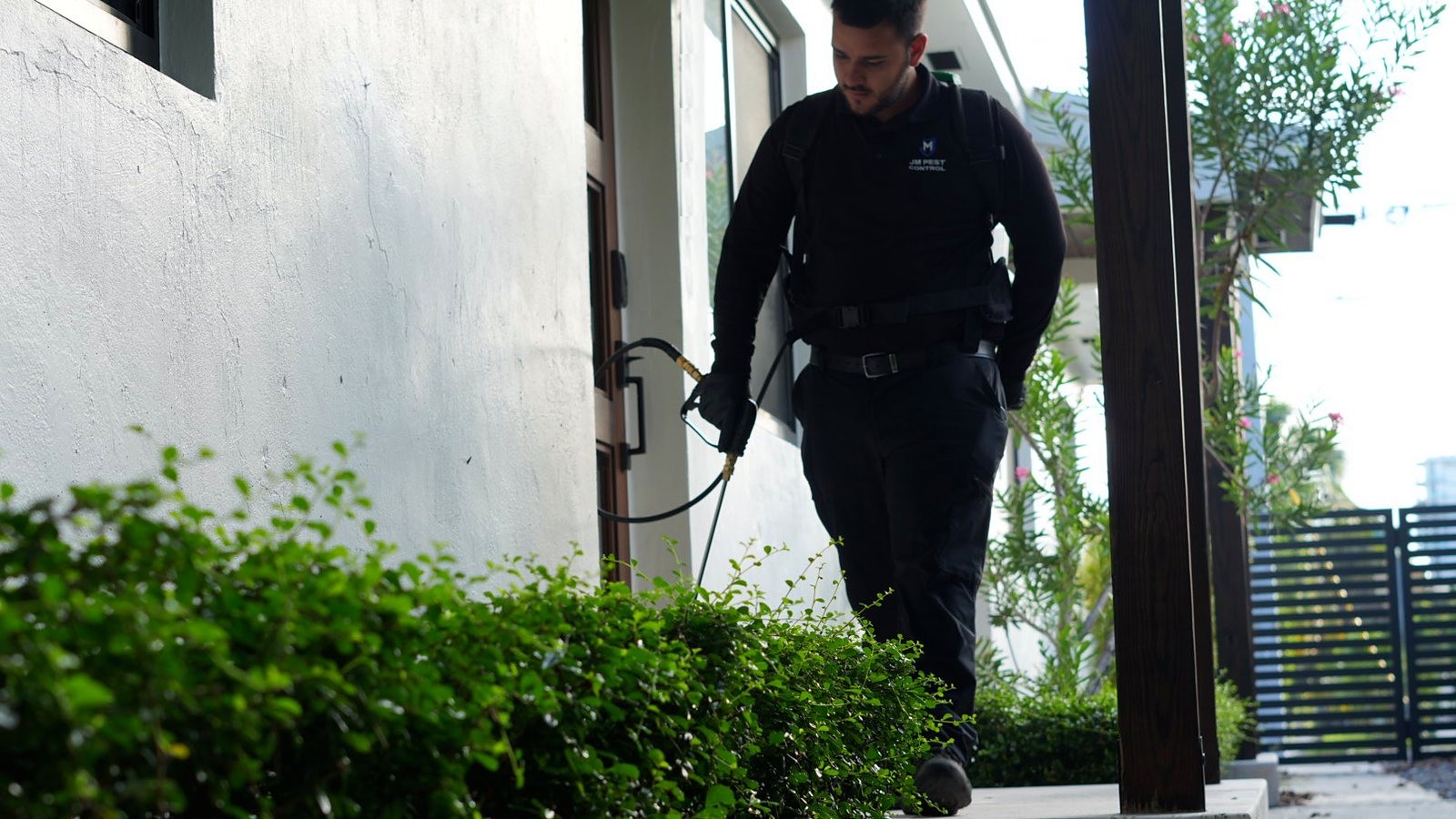
Exterior service along the foundation
Our service van
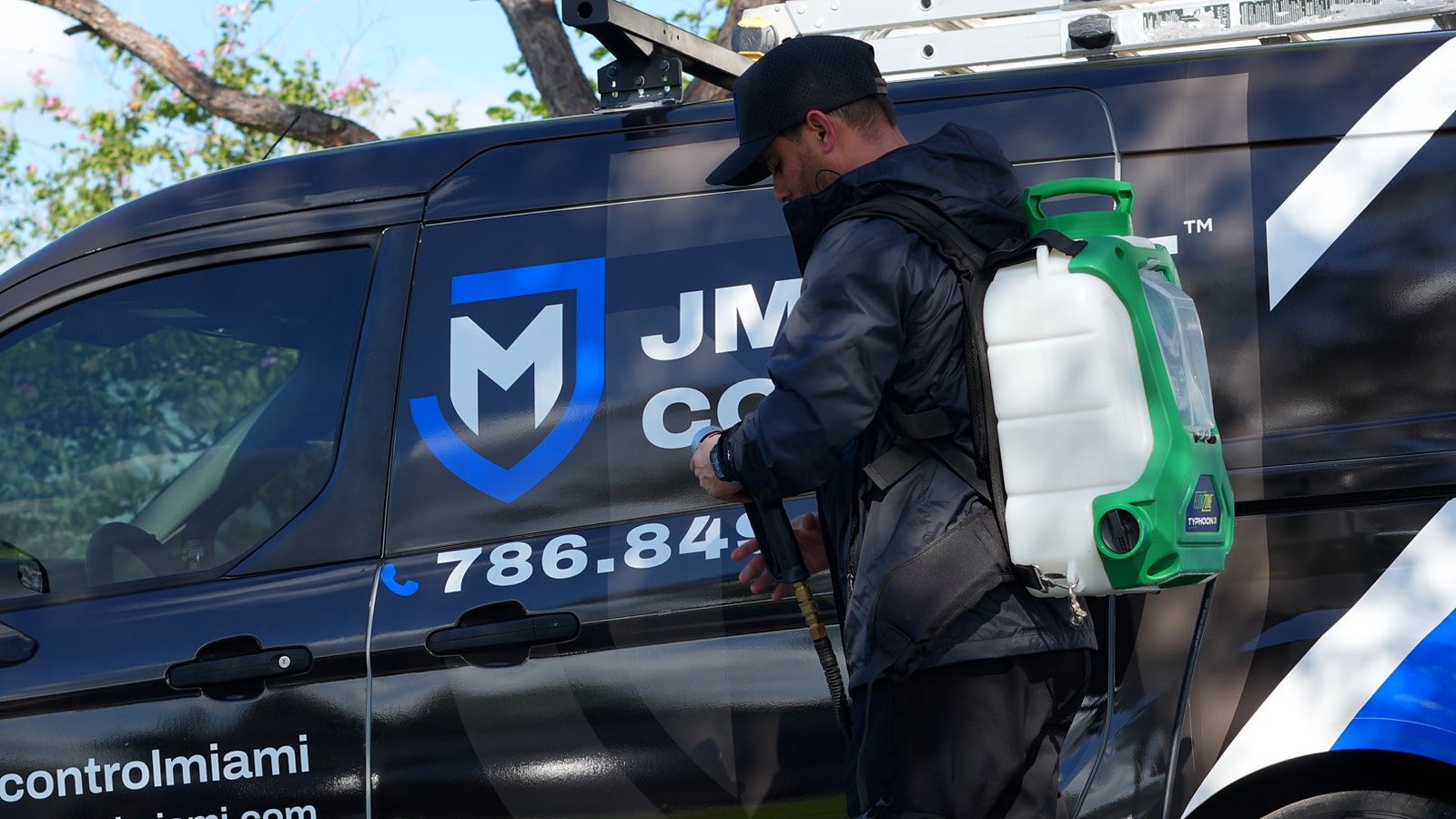
Getting set up
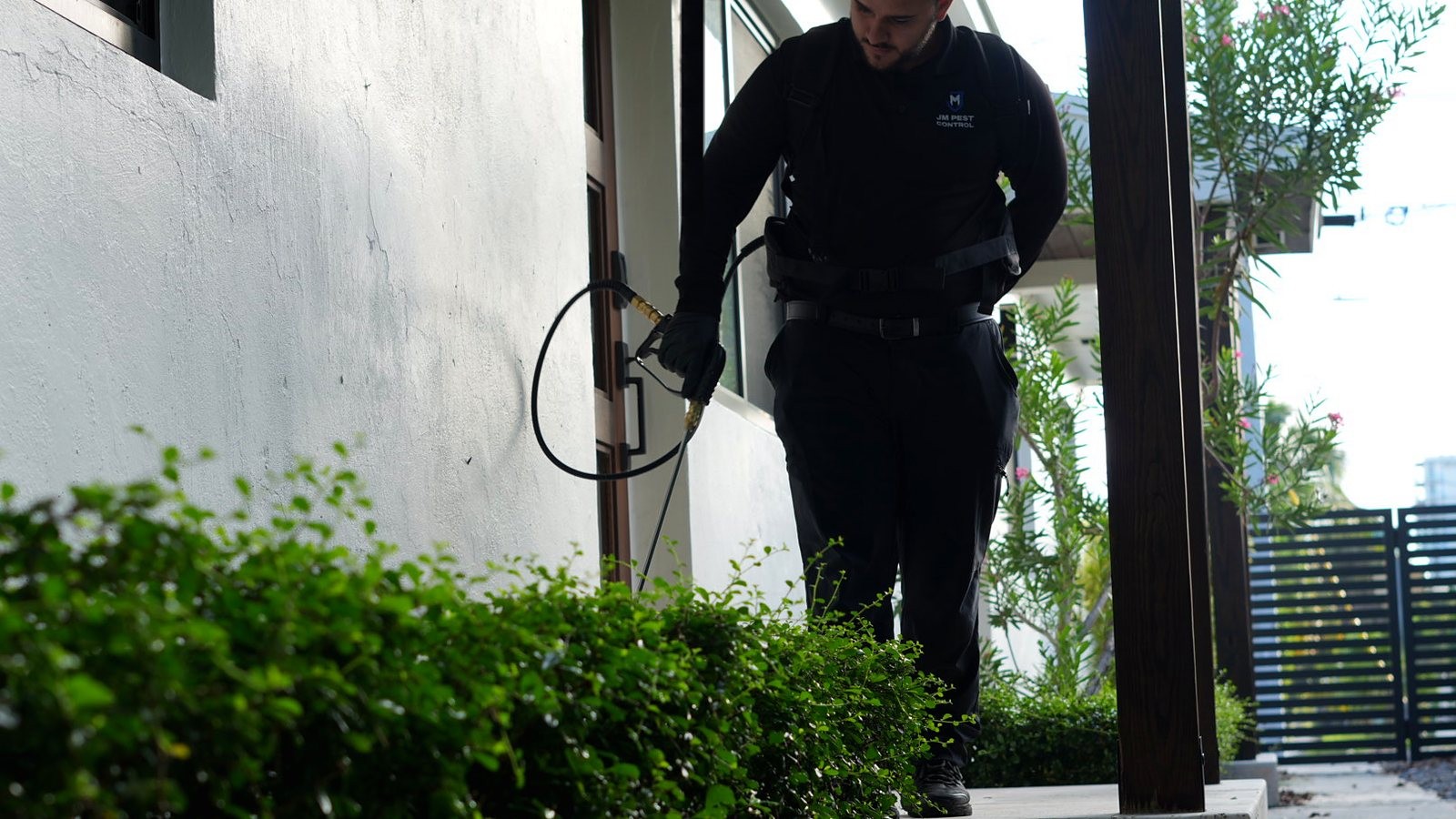
Treating the base of the wall
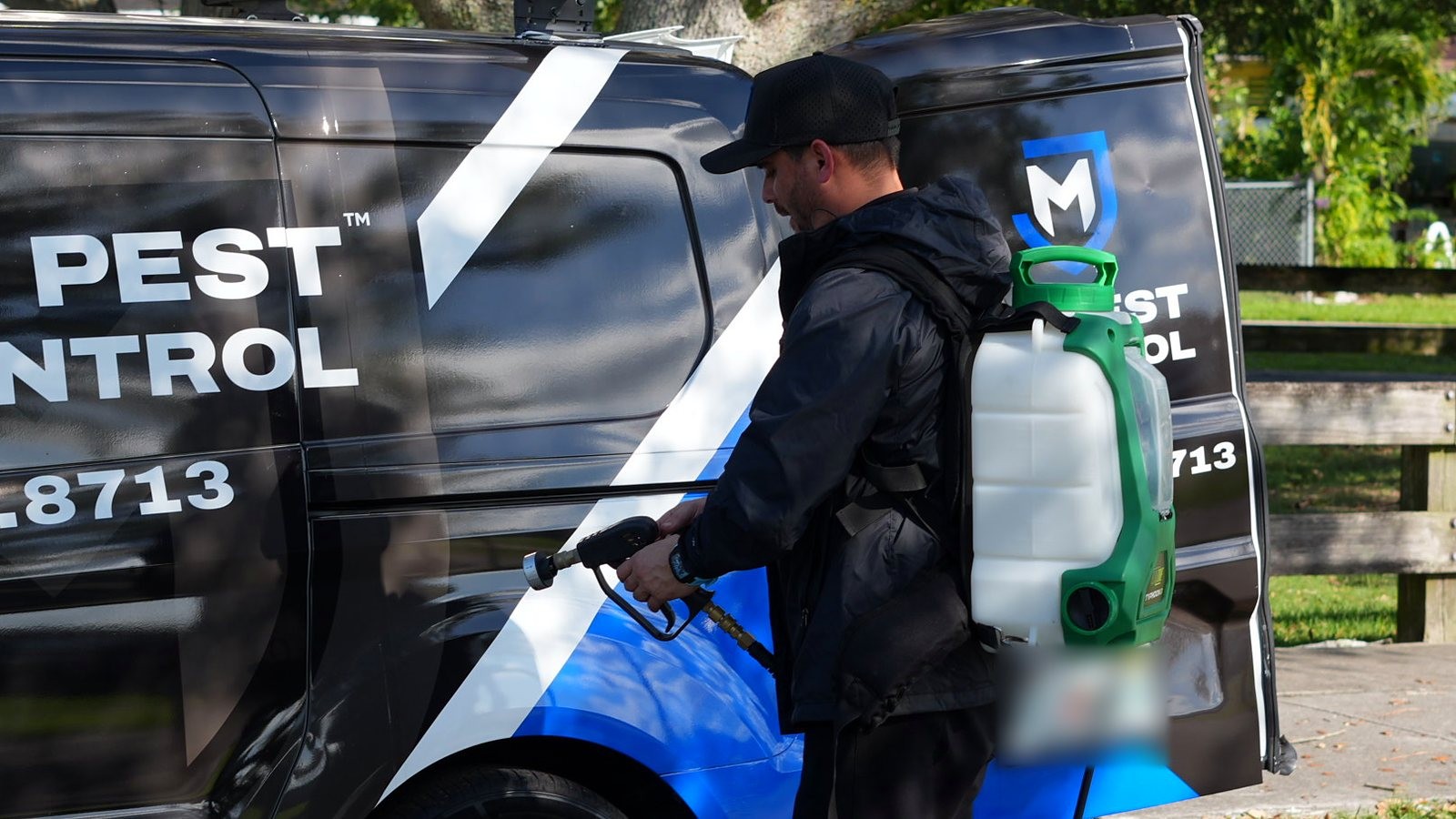
On to the next stop
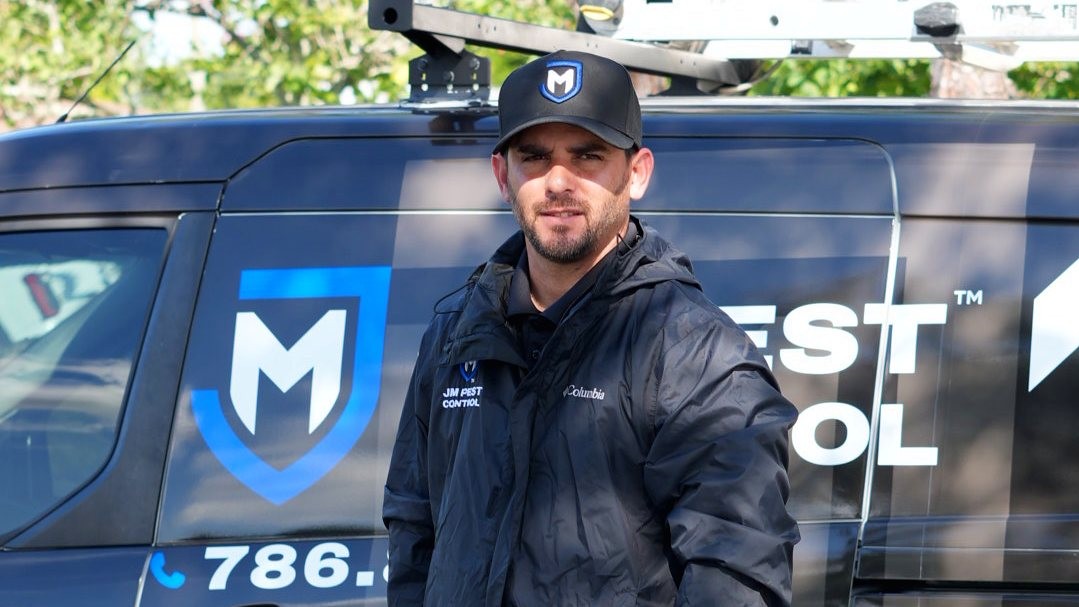
Our team
Request a Rodent Inspection
Tell us what you're hearing or seeing and where. We'll call or text you back to talk through options and pricing.
More Blogs
Some other blogs you might be interested in